
8+20 Afore Photovoltaic Plant
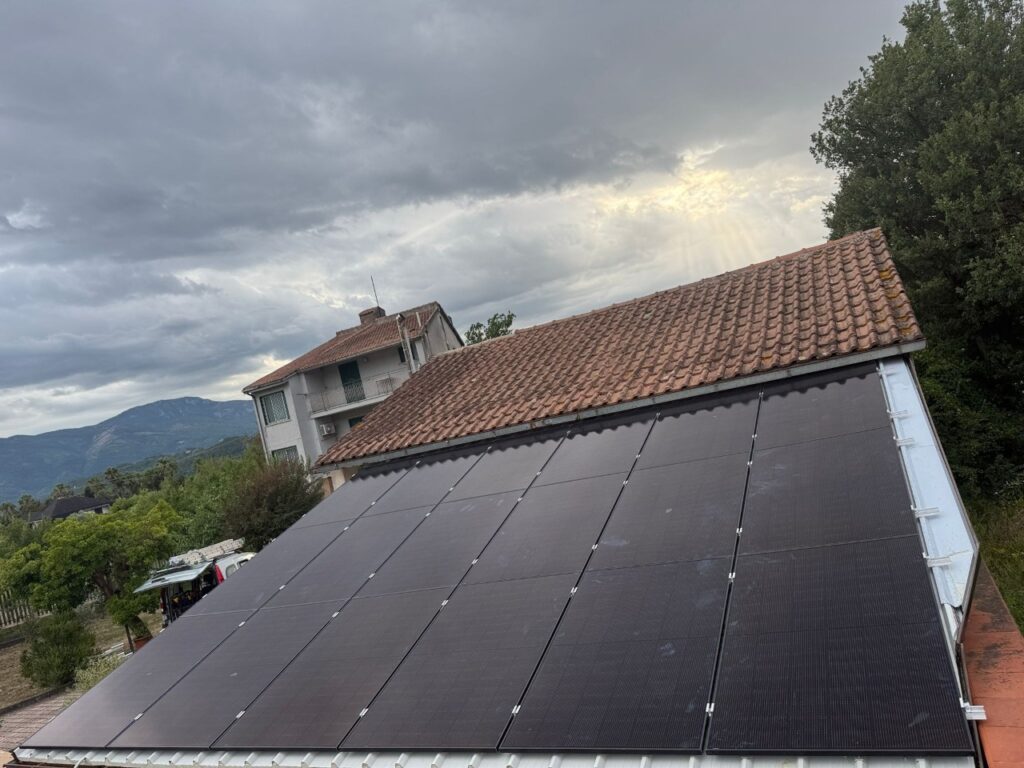
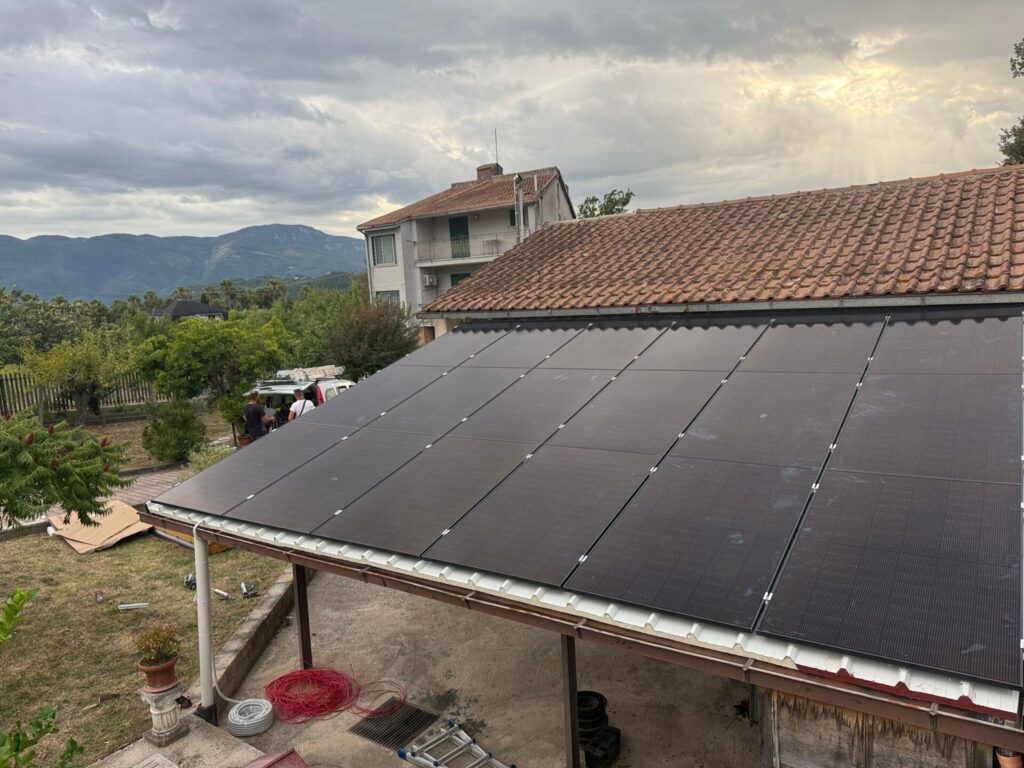
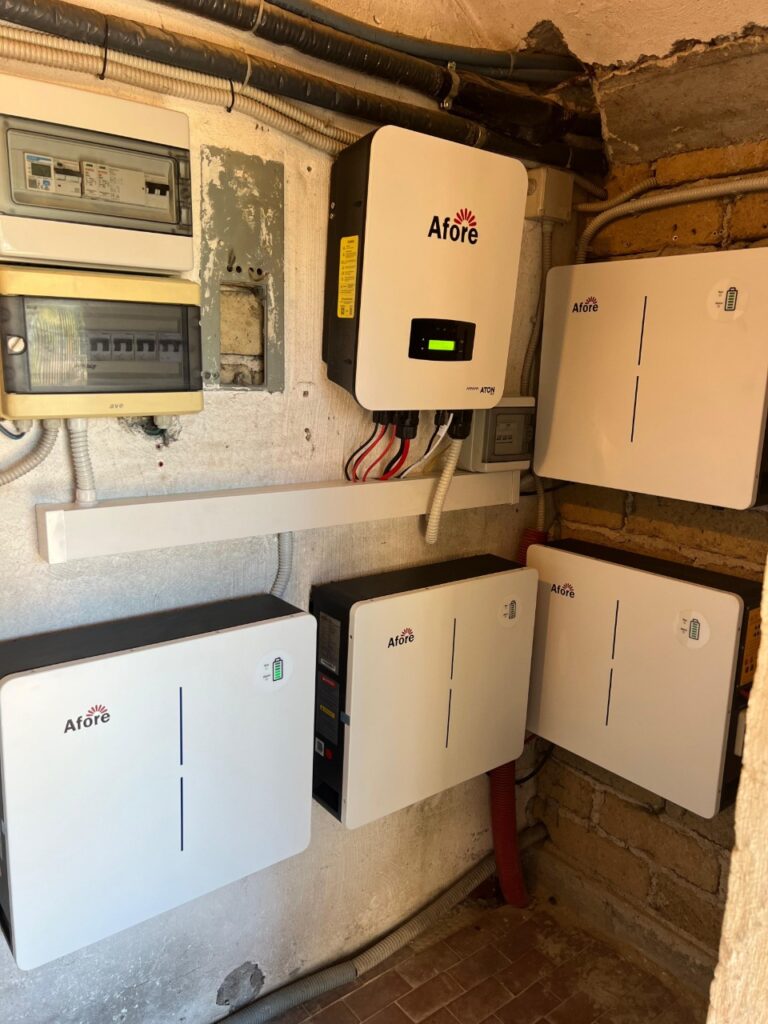
Installation of system Photovoltaics Rocca D'evandro
8kw + 20 Afore inverter 6kw photovoltaic system ,Longi 450w panels all done in one working day Rocca D'evandro location 30 years production warranty.
Installation of system Photovoltaics Rocca D'evandro
8kw + 20 Afore inverter 6kw photovoltaic system ,Longi 450w panels all done in one working day Rocca D'evandro location 30 years production warranty.
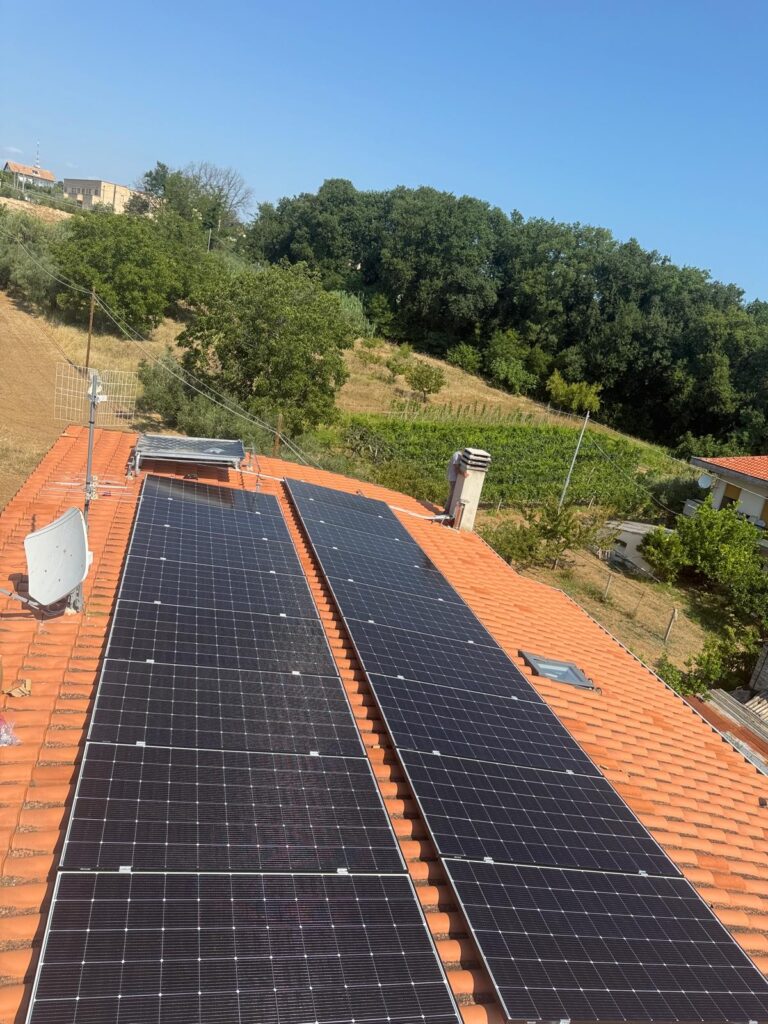
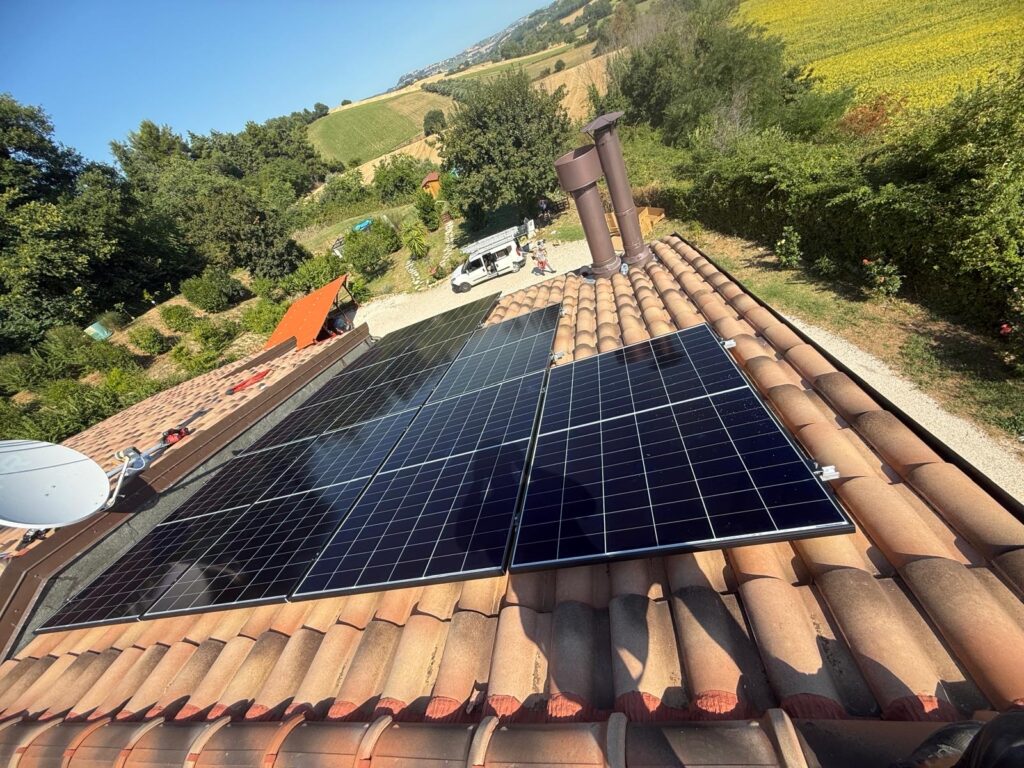
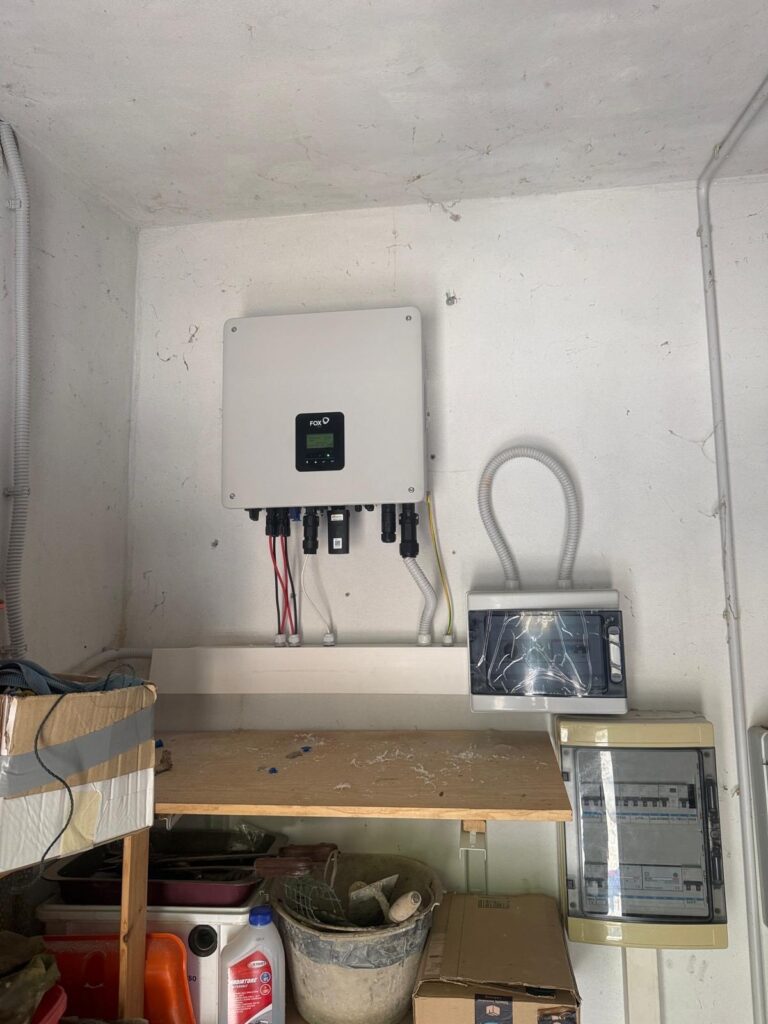
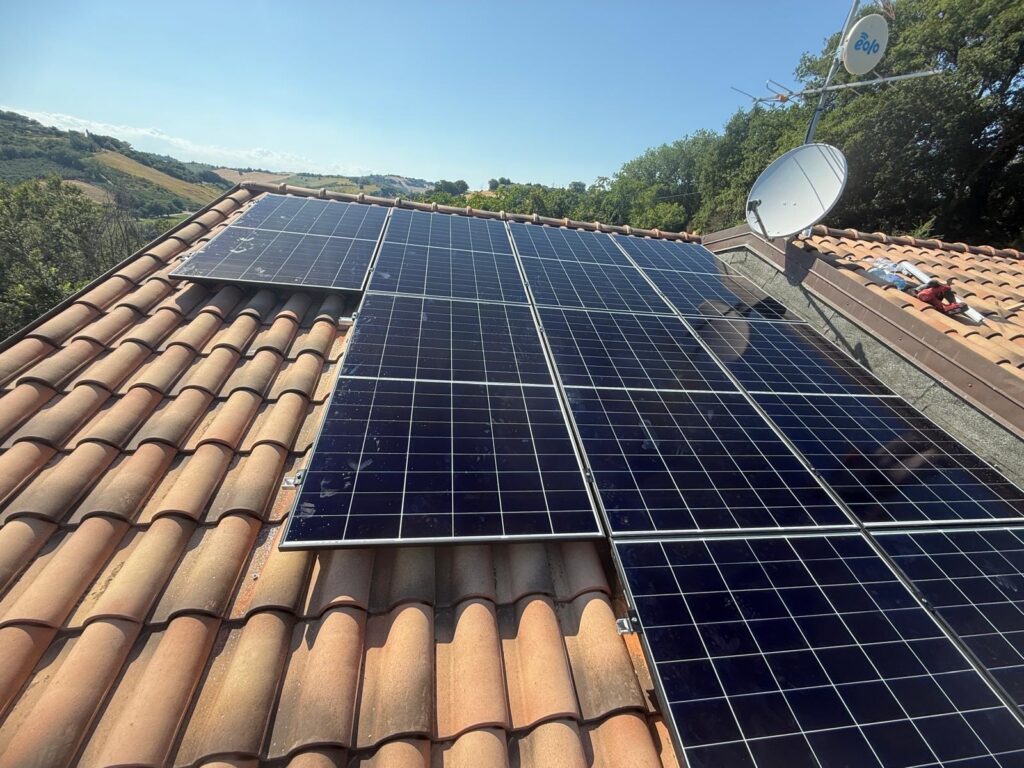
Installation of system Photovoltaics Ancona
Hybrid system FOX 2024 single-phase 4 kw, NO BATTERIES, Longi 450w panels all done in one working day location ANCONA 30 year production warranty.
Installation of system Photovoltaics Francavilla a Mare
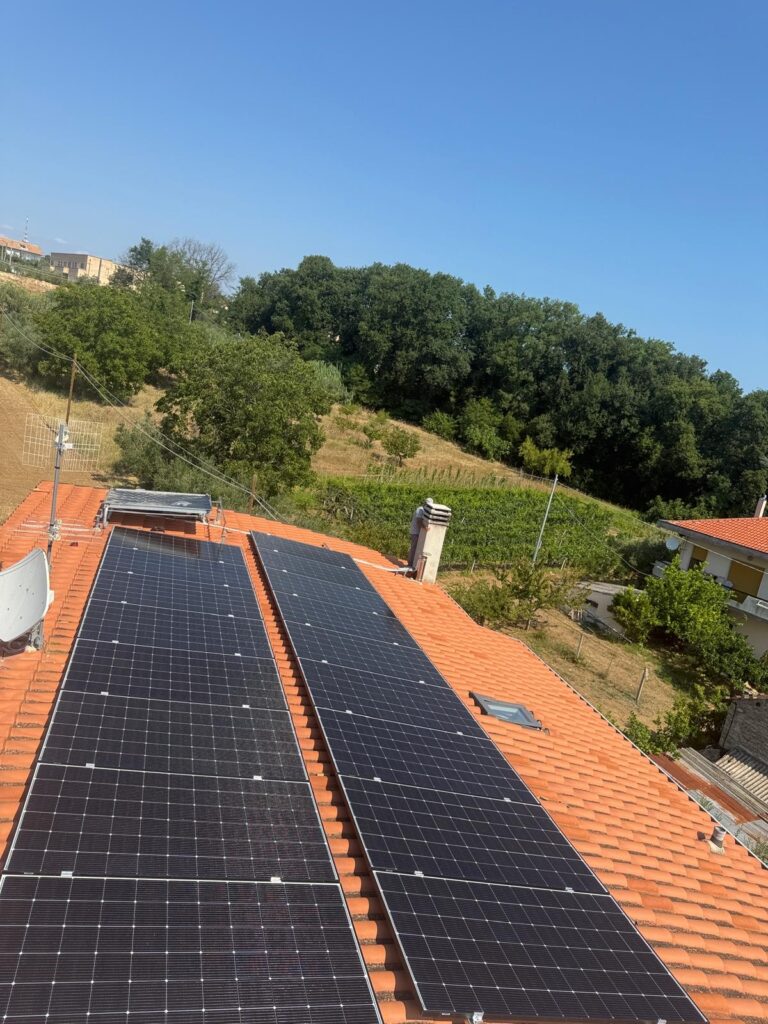
Hybrid system BLUE ZCS 2024 single-phase 8 kw, 10 kw storage plan, Longi 450w panels all done in one working day location Francavilla al Mare
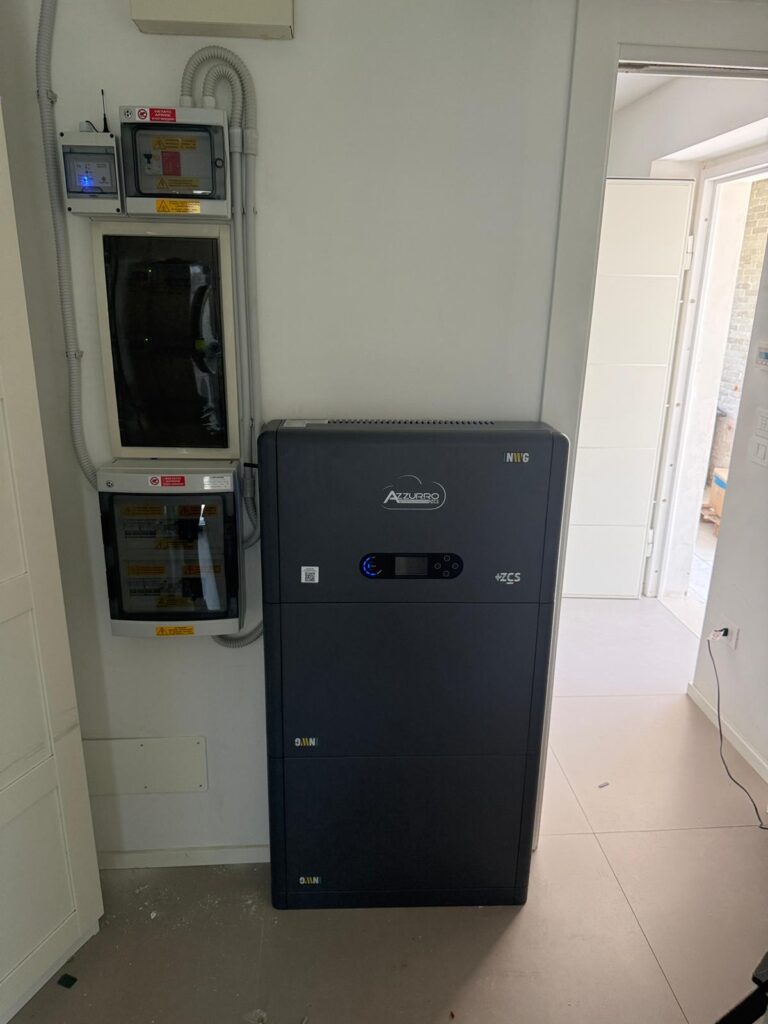
Installation of system Photovoltaics Nardò (Apulia)
Hybrid system BLUE ZCS 2024 single-phase 3 kw, storage plan 5 kw, power photovoltaic field 3.6 kw bi-facial panels Longi 450w all done in one working day location ROME 30 years production warranty.
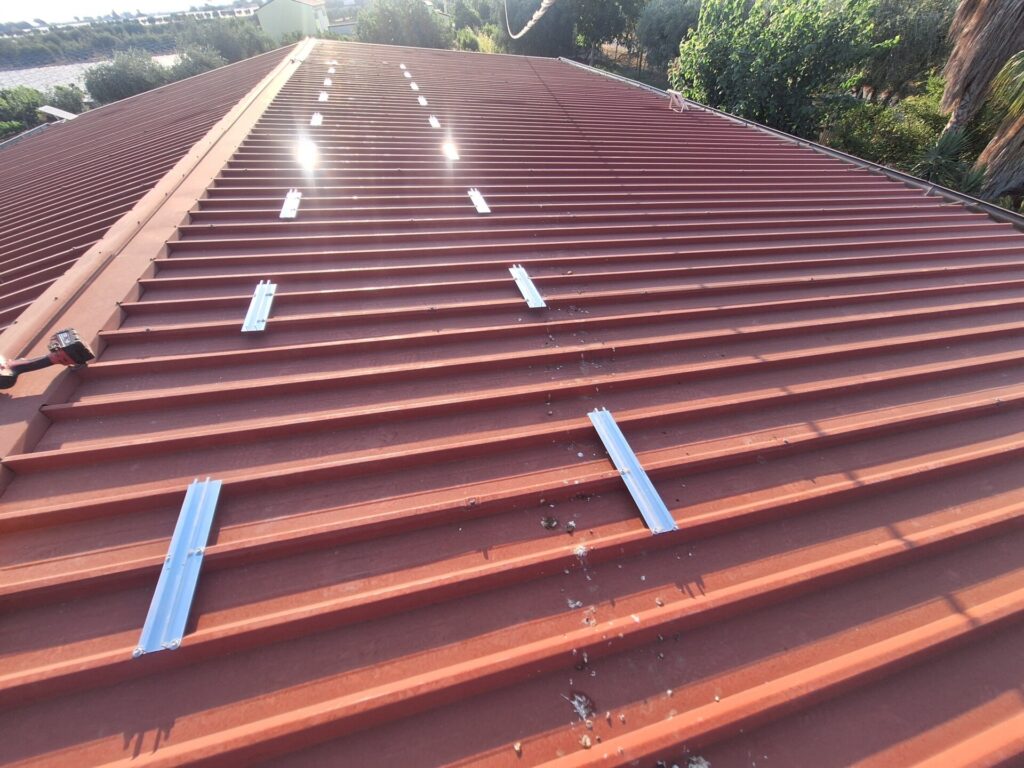


If you are considering adding a storage battery to an existing photovoltaic system, this intervention can be an advantageous choice to optimise the self-consumption of the energy produced, improving the efficiency and energy self-sufficiency of your home or business.
Here are some aspects to consider when retrofitting a photovoltaic system with the addition of a storage battery:
Make sure that the inverter of the existing PV system is compatible with the addition of a storage battery. In some cases, the inverter may need to be replaced or upgraded in order to handle both energy production and battery storage.
There are different types of batteries (e.g. lithium, lead-acid, etc.), each with different characteristics in terms of efficiency, durability and cost. Lithium batteries, for example, are more compact, durable and high-performance than lead-acid batteries, but also have a higher initial cost.
It is important to correctly size the battery capacity according to the energy needs of your home or business. This depends on various factors, such as the amount of energy you consume during the day and night and the size of your photovoltaic system.
The installation of a battery requires the configuration of an energy management system (EMS) that optimises when to charge the battery (during sunshine hours) and when to use it (during the night or at times of higher consumption).
Installing a storage battery involves an initial investment, but there are also tax incentives (such as the Superbonus 110% in Italy, which may vary depending on regulations) that can help cover part of the cost. In addition, the depreciation of the battery can take place through savings on the electricity bill.
Storage batteries require minimal maintenance, but it is important to monitor their health periodically to ensure that they continue to function properly and store energy effectively.
If you already have a photovoltaic system and are thinking of implementing a storage battery, it may be useful to consult a specialised technician who can make an accurate assessment of your existing system and guide you in the choice and installation of the battery.
A storage system in the context pv is a device for storing the electrical energy produced by a photovoltaic system for use at a later time when solar production is not available (e.g. overnight or during cloudy periods).
A storage system consists mainly of batteries (usually lithium-ion, lead-acid or other technologies) that store the electricity generated by photovoltaic panels. The storage system can be integrated into the photovoltaic system or added later as a separate component.
In summary, a storage system in a photovoltaic system optimises the use of solar energy, improving self-consumption, reducing energy costs and increasing the reliability of the electricity supply.
Installation of system Photovoltaics
Hybrid system BLUE ZCS 2024 single-phase 6 kw, 15 kw storage plan, photovoltaic field power 7.4 kw bi-facial panels Longi 530w all done in one working day location ROME 30 years production warranty.


Installation of system Photovoltaics
AZZURRO ZCS 2024 hybrid system single-phase 6 kw, 10 kw storage plan, photovoltaic field power 7.4 kw bi-facial panels Longi 530w all done in one working day location Pontecorvo province of Frosinone 30 years production warranty.


Installation of 15 400W photovoltaic panels for a total of 6.0KWH
Inverter 6 KWH
6 Batteries Brand Pylontech 2.4KWH for a total of 14.4KWH
Brand Inverter: BLUE ZCS
Installation performed at:
At the Municipality of TRINITAPOLI Barletta Installation performed during the day


Photovoltaic Installation with 13 photovoltaic panels 410W for a total of 5.3KWH
Inverter 5 KWH
ABB electric car charging station
Brand Inverter: Huawei single-phase hybrid
Installation performed at:
Civitavecchia in the province of Rome, Installation performed during the day


